
A clear way to bring DIAS
into your project
Every collaboration starts by understanding the project before adding production capacity.
We establish the scope, standards, information flow and review structure first — then build a delivery rhythm around the way your team already works.
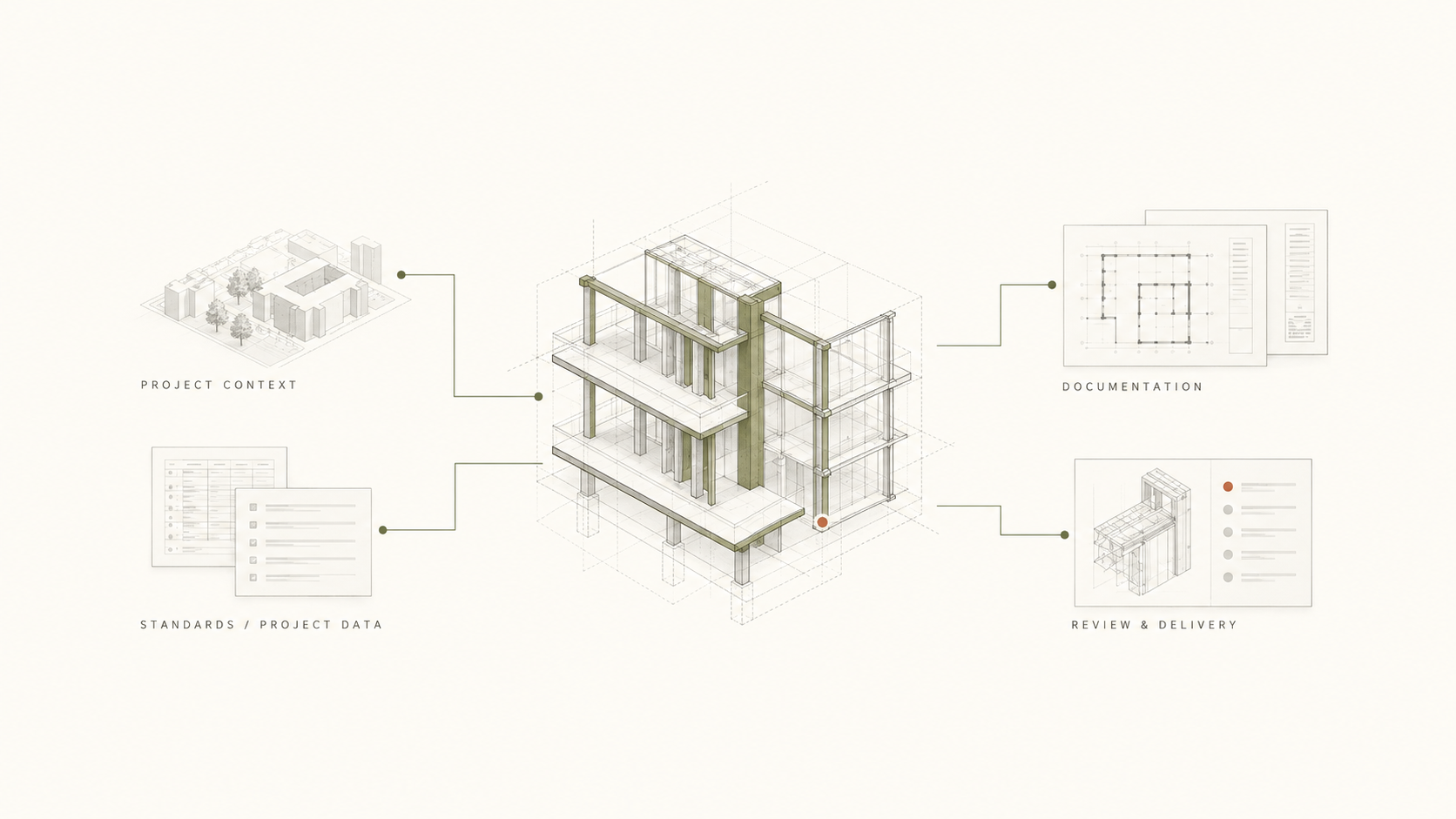
First, we define
what good delivery looks like
Before production begins, we align on the information, responsibilities and expectations that shape the assignment.
Project Scope
What needs to be modeled, documented, coordinated or delivered.
Available Information
Existing models · DWGs · PDFs · Surveys · Point clouds · Technical references
Project Rules
BIM standards · Revit setup · Naming · LOD · Documentation requirements
Delivery Expectations
Priorities · Review points · Deadlines · Responsibilities
We define the handoff
before production scales
Before production expands, we establish where information comes from, how work is assigned, where questions are raised and how completed work is reviewed.
Input
Where project information, tasks and updated references enter the workflow.
Production
Who owns the assigned work and which project standards apply.
Review
Where questions, comments and technical decisions are raised and resolved.
Delivery
Where approved models, drawings and documentation are organized and published.
A working rhythm
that keeps production connected
Once the project setup is clear, the focus shifts to maintaining visible priorities, direct communication and regular review throughout delivery.
- 01
Clear Priorities
Tasks, scope and upcoming delivery needs are visible before production begins.
- 02
Direct Questions
Missing, conflicting or unclear information is raised early rather than carried into the model.
- 03
Regular Review
Models and drawings move through agreed review points throughout production.
- 04
Visible Progress
Current status, outstanding questions and upcoming priorities remain clear.
- 05
Controlled Delivery
Approved work is organized and delivered through the agreed project environment.
Projects change
The workflow should stay controlled
Design development, consultant information and technical decisions continue to evolve throughout a project.
The important part is making those changes visible, understood and reflected consistently across the BIM model and documentation.
- 01
Identify
Understand what changed and what information is affected.
- 02
Assess
Determine which models, drawings, details or coordinated elements require revision.
- 03
Implement & Review
Update the affected work and carry it through the agreed review process.
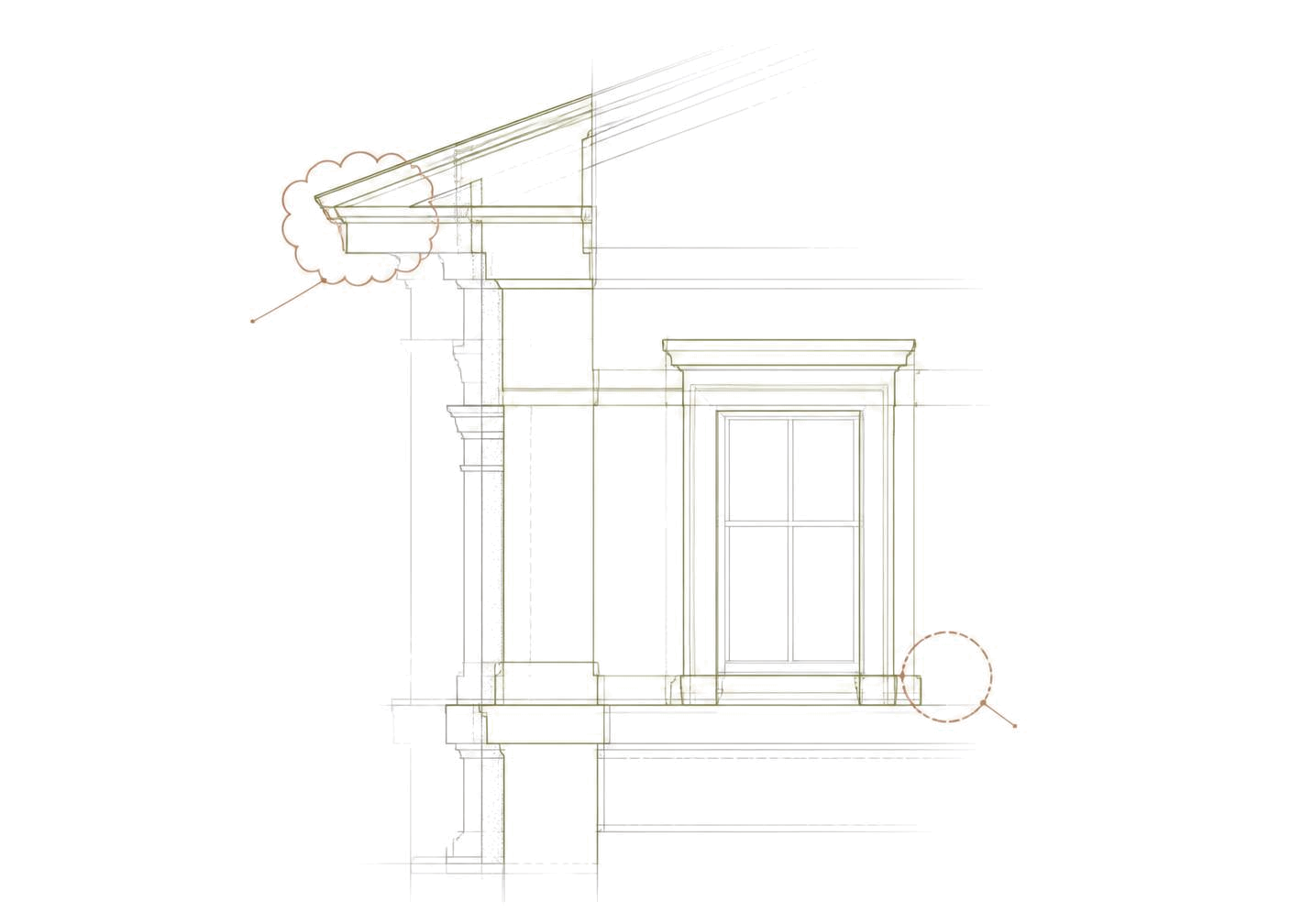
Quality is checked throughout delivery,
not only at the end
Review is built into the production rhythm so issues can be identified while work is still developing rather than accumulated for final delivery.
Model Structure
Organization, naming and model discipline stay consistent.
Drawing Consistency
Sheets, annotation and detailing follow the project standard.
Coordination Awareness
Architectural work is developed in relation to surrounding information.
Review Comments
Raised points are tracked and resolved during production.
Delivery Check
Deliverables are verified before they are published.
Everyone should know
where responsibility sits
Clear ownership reduces unnecessary handovers and helps project decisions move faster.
- Project decisions
- Design direction
- Required standards
- Approvals
- Source information
- Priorities
- Reviews
- Coordination
- Open questions
- Delivery decisions
- Assigned BIM production
- Documentation development
- Coordination response
- Issue communication
- QA of assigned deliverables
Start with a defined scope
Expand when it makes sense
A collaboration can begin with one model, one documentation package or one delivery phase.
Once standards, communication and quality are established, responsibilities can expand with the needs of the project.
- 01
Start
- Defined scope
- Clear inputs
- Agreed outputs
- 02
Stabilize
- Working rhythm
- Review process
- Reliable delivery
- 03
Expand
- Additional responsibilities
- More production capacity
- Broader project support
Start with one
clear project need
Share the current scope, available information and expected delivery. We can define the first practical handoff together.